

Custom materials of construction ensure a long-lasting DAF system in corrosive applications.
Landfills produce leachate when liquid percolates through the waste, picking up dissolved and suspended contaminants. Due to the wide range of waste at landfills, leachate can be highly corrosive and complex, containing organic compounds, heavy metals, chlorides, and suspended solids that require specialized treatment equipment.
In 2024, a non-hazardous landfill began the process of determining the treatment processes necessary to treat its leachate for deep well injection. The landfill had been storing the leachate in retention ponds that were nearing capacity.
Location: Texas
Challenge: High chloride levels that create corrosive wastewater requiring non-metal materials of construction
Application: Pretreatment: Liquid-solids separation by DAF system for subsequent filtration and deep well injection
Unit Type: FPAC60 PP DAF System + Non-metallic AODD Pump
Benefits: A durable DAF system for the removal of high solids loads in an application that requires growing flow rates.
Analyzed leachate samples showed high levels of sodium and chloride, posing significant corrosion risks to any metal parts.
| TSS (mg/L) | Sodium (mg/L) | Chloride (mg/L) | pH |
|---|---|---|---|
| 1541 | 3420 | 3760 | 8.11 |
With chloride concentrations exceeding 3,700 mg/L, conventional stainless steel (304/316) was not suitable due to the high risk of pitting and crevice corrosion. Polypropylene and fluoropolymer-lined components were selected to ensure long-term durability. The custom DAF system features a 304SS frame isolated from process contact, eliminating exposure to corrosion while maintaining structural integrity.

All wetted components were carefully evaluated for compatibility with high-chloride leachate, including pumps, valves, and sludge handling systems. The recirculation pump has an ETFE casing lining and CF-ETFE impeller, and the AODD sludge pump has a polypropylene frame and santoprene diaphragm. The use of corrosion-resistant materials significantly reduces long-term maintenance and replacement costs compared to traditional stainless steel systems.

Using our standard FPAC as the basis of design, SigmaDAF USA provided a custom, cost-effective DAF system for the corrosive leachate. Combined with efficient chemical conditioning, the DAF removes >95% of the TSS and conditions the water for subsequent filtration and treatment.
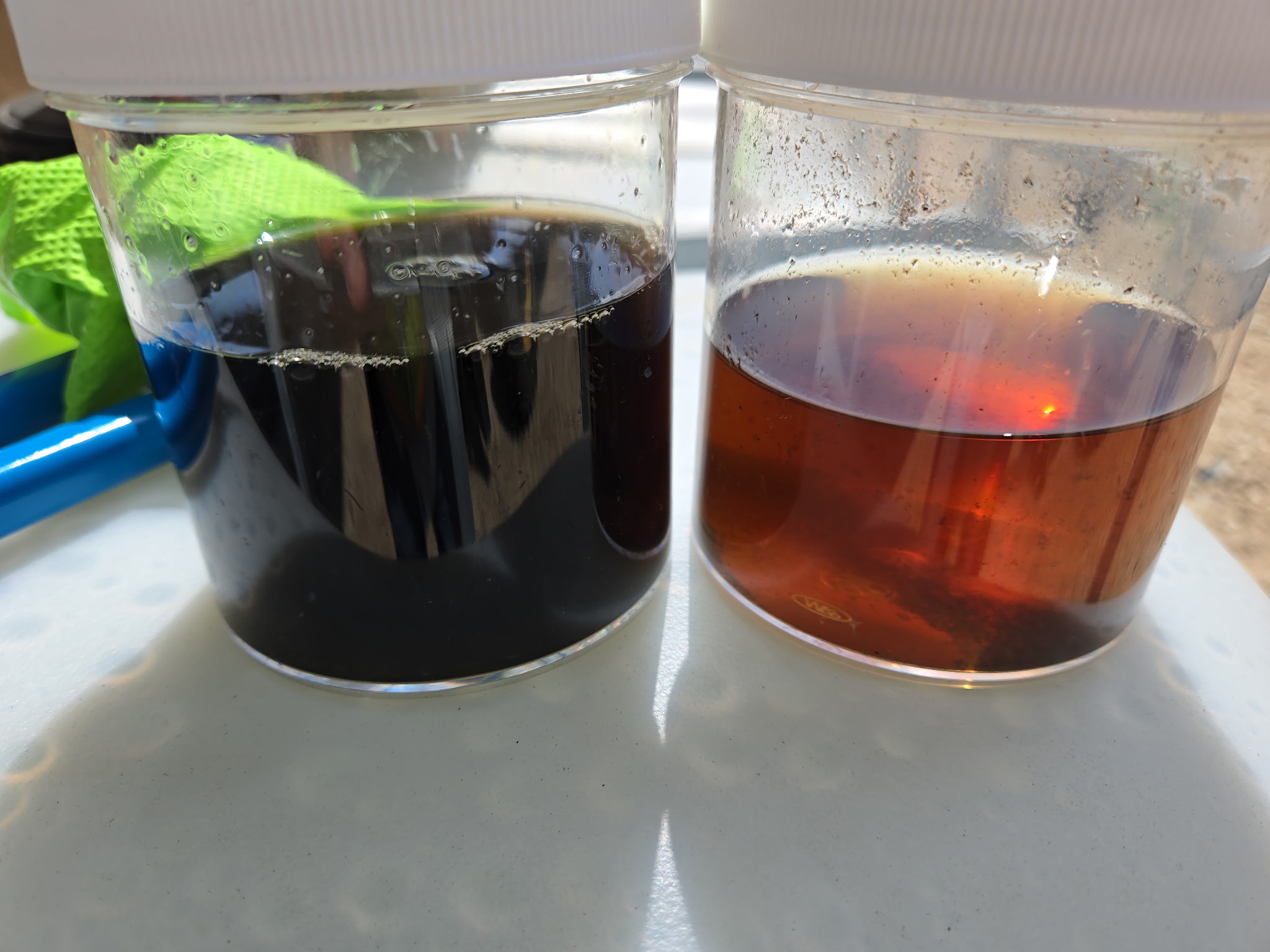
Any settled sludge is collected in hoppers, which replaced the standard stainless steel shaftless auger. The settled sludge is discharged through pneumatic valves based on a timer programmed by the operator. The floated sludge is collected in a trough and dispelled based on a level sensor that actuates the AODD pump. The floated and settled sludge are plumbed together, providing a single point sludge discharge.

The FPAC60 DAF system was also selected to manage variable solids loading rates. Because the leachate is pumped from a retention pond, the solids load varies due to pond levels, rain events, and other variables. The FPAC features a large surface area, allowing it to manage high and low solids loads.

Even with changing solids loads, the FPAC allows the client to build a thick sludge blanket and dewater the solids before they’re pumped to another location.

You can learn more about our DAF systems on our website or contact SigmaDAF USA today at (414) 365-1200 to discuss solutions for your wastewater.